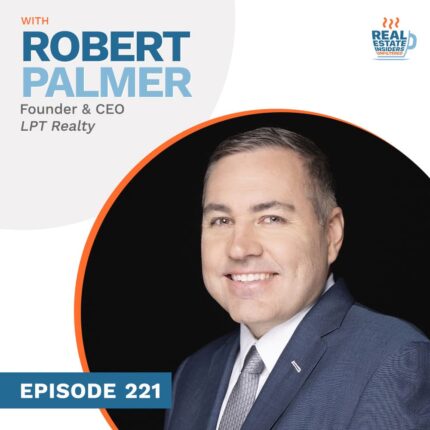
In the fast-paced world of real estate, the introduction of private listings has stirred up quite the debate. Recently, listeners tuned into an insightful episode of the Real Estate Insiders Unfiltered podcast, featuring Robert Palmer, CEO of LPT Realty. He candidly addressed the controversial practice of “weaponizing” private listings and shared his journey in the real estate industry. This blog post unpacks some key takeaways from that discussion and explores what they mean for real estate agents.
Understanding the Weaponization of Private Listings
Robert Palmer made a bold statement: private listings should not be weaponized. He emphasized that this approach creates a divide in the real estate industry, especially between luxury markets and more affordable areas. To put it simply, the worldview of private listings often varies dramatically from one market to another. What might work in a high-end Manhattan penthouse may not resonate in middle America, where transparency and access are crucial.
Key Points from Robert’s Perspective:
- Market Dependence: The effectiveness of private listings largely depends on local market dynamics. In places where price discovery is straightforward, the need for exclusivity diminishes.
- Consumer Trust: Many consumers still prefer the maximum exposure that comes with MLS listings. The idea of “exclusive inventory” can alienate potential buyers.
- Entrepreneurial Focus: The real estate agent is the linchpin in this discussion. Their experiences and insights should drive the conversation about what works in their local market.
The Importance of Community and Transparency
As real estate professionals, agents understand that their community thrives on relationships. The notion of private listings can undermine this by pushing certain agents out of the conversation. Robert highlighted the need for a more collaborative approach in the industry, one that focuses on the needs of both agents and consumers.
Why Transparency Matters:
- Building Trust: Agents who engage transparently with their clients foster trust and credibility.
- Enhancing Opportunities: Creating a more inclusive environment where all listings receive visibility can benefit everyone involved, from agents to buyers and sellers.
Pivoting in a Changing Market
Robert’s journey illustrates the importance of adaptability in the ever-evolving real estate market. He shared his experience launching LPT Realty during a challenging economic landscape, reinforcing that sometimes the best opportunities arise amid adversity.
Key Takeaways for Agents:
- Invest in Yourself: Agents are encouraged to consider enrolling in real estate courses or exploring real estate podcasts that can help them stay updated on industry trends.
- Embrace Change: The ability to pivot and adapt is critical. Whether it’s adopting new technologies or rethinking marketing strategies, staying flexible can lead to greater success.
The Future of Real Estate
Looking ahead, it is clear that the real estate industry is at a crossroads. With the rise of private listings, technological advancements, and shifting consumer preferences, agents must stay informed and engaged.
Strategies for Success:
- Stay Informed: Following real estate blogs and podcasts can help agents keep their finger on the pulse of industry trends.
- Network: Attending real estate events allows agents to connect with other professionals and share insights.
- Focus on Value: Ensuring that clients see the value in what agents offer, whether through comprehensive real estate listings or personalized service that caters to their unique needs, is essential.
Conclusion
The conversation around private listings and their role in the real estate market is complex. As Robert Palmer pointed out, the key lies in understanding local markets and prioritizing transparency and collaboration. By doing so, the industry can create a more inclusive and thriving real estate community. As agents navigate these challenging waters, it’s important to remember that their primary goal is to serve clients effectively and ethically. The future of real estate is bright for those willing to adapt, learn, and grow.