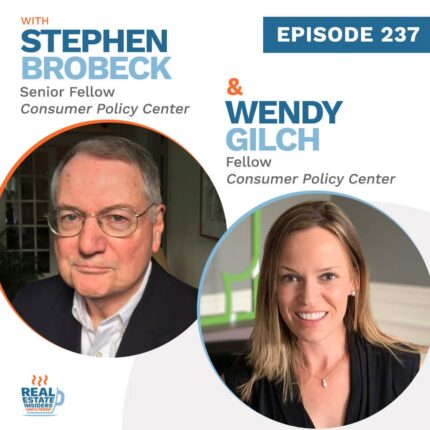
In a recent episode of the Real Estate Insiders Unfiltered podcast, hosted by James Dwiggins and Keith Robinson, important insights were shared regarding the pressing issues surrounding double dipping and the challenges consumers face in the real estate market. Featuring Stephen Brobeck and Wendy Gilch from the Consumer Policy Center, the discussion highlighted how these trends impact the industry and the clients that real estate agents serve.
The Current Landscape of Real Estate
The podcast opens with a stark reality: the middle class is struggling under the weight of rising housing costs and general inflation. James Dwiggins emphasizes that economic policies have failed to alleviate these pressures, raising a crucial question: how do these challenges get addressed?
Stephen Brobeck highlights that while the real estate market is evolving, it hasn’t necessarily become safer for consumers. He notes, “the average age of the first-time homeowner is now in the late thirties,” reflecting the increasing barriers to homeownership. This reality is compounded by rising real estate prices, leaving many young people unable to afford their own homes.
The Impact of Double Dipping
One of the key topics discussed was double dipping in the real estate industry, where one agent represents both the buyer and the seller in a transaction. This practice can create conflicts of interest and potentially harm consumers. Wendy Gilch points out that as the market evolves, the perception of real estate agents also shifts. Many consumers are misled into thinking that using a buyer’s agent is free, which can result in a lack of understanding about who is actually paying for these services.
The podcast reveals that Compass, a major player in the real estate market, has been dominating sales in several metropolitan areas. In cities like Washington, DC, where Compass has a market share of around 40%, the implications of their business model raise concerns. The practice of double dipping is prevalent, with Compass achieving high double ending rates, which can lead to reduced competition and less favorable outcomes for consumers.
Key Findings on Double Dipping Include:
- High Market Share: Compass has established a significant presence in various markets, leading to increased double dipping.
- Consumer Confusion: Many consumers remain unaware of the implications of double dipping and may not fully understand the costs associated with it.
- Risks to Consumer Trust: The potential conflicts of interest stemming from double dipping can undermine the fiduciary duty agents owe to their clients.
The Role of Technology and Consumer Education
As the conversation unfolds, Stephen Brobeck suggests that advancements in real estate technology could play a role in leveling the playing field for consumers. For instance, the maturation of AI and its application in real estate could lead to more transparent pricing and improved consumer understanding of the buying process.
Wendy emphasizes the importance of consumer education and the necessity for real estate agents to clearly communicate their value. In a world where consumers can easily find alternative agents through searches like “real estate agents near me,” it becomes crucial for agents to showcase their expertise and demonstrate why their services are worth the investment.
The Path Forward
To address these pressing issues, the podcast concludes with a call for transparency and regulation within the industry. Stephen Brobeck advocates for state-level disclosures regarding double dipping and other practices that could mislead consumers. Implementing such regulations would not only protect consumers but also enhance the credibility of the real estate profession.
What Can Agents Do?
Real estate agents have the power to make a difference:
- Educate Consumers: Help clients understand the nuances of real estate transactions, including the implications of double dipping.
- Advocate for Transparency: Support policies that promote transparency in commission structures and referral fees.
- Stay Informed: Keep abreast of industry trends and changes in real estate laws to better serve clients.
In conclusion, the insights shared in this episode of the Real Estate Insiders Unfiltered podcast highlight the challenges and opportunities faced in the real estate industry. By prioritizing consumer education and advocating for transparency, agents can help create a more equitable marketplace for all.