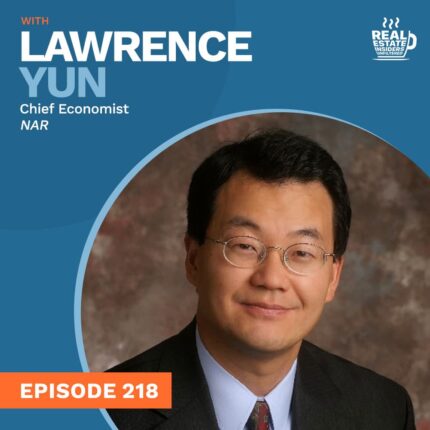
In a recent episode of the Real Estate Insiders Unfiltered podcast, hosts James Dwiggins and Keith Robinson had the pleasure of chatting with Dr. Lawrence Yun, the Chief Economist for the National Association of Realtors (NAR). Staying informed about current market conditions, trends, and economic forecasts is essential for real estate agents. Here are some key takeaways from this enlightening conversation that can help navigate the ever-evolving real estate landscape.
The Current Economic Climate
Dr. Yun provided a sobering yet realistic perspective on the state of the economy. While the stock market may be experiencing highs, consumer sentiment is at a low point, showcasing a K-shaped economy where the wealthy thrive while the lower and middle classes struggle. Highlights from his insights include:
- Unemployment Rates: Currently hovering below 5%, the job market remains tight, but job growth has stagnated, raising concerns about long-term sustainability.
- Consumer Confidence: Despite being employed, many Americans are hesitant to make significant purchases, such as homes, due to economic uncertainty. This feeling is compounded by pervasive negative news cycles.
- Oil Prices and Inflation: With geopolitical tensions affecting oil supply, prices have surged, impacting consumer spending power and, in turn, the real estate market.
Understanding these economic fundamentals is crucial for real estate agents, as it informs their conversations with clients and helps manage expectations.
Mortgage Rates: What to Expect
One of the most pressing concerns for anyone in the real estate industry is the trajectory of mortgage rates. Dr. Yun predicts that rates are unlikely to drop to the historic lows of 3% seen in recent years. Instead, rates may stabilize around 6.5%. Key points include:
- Market Timing vs. Time in the Market: Dr. Yun emphasized that trying to time the market is less effective than simply entering it and staying for the long haul. He noted that homeownership typically provides long-term wealth accumulation.
- Impact of Inflation: Higher national debt levels may keep mortgage rates elevated, affecting affordability. It’s essential for agents to communicate this to their clients, helping them understand the long-term implications of their decisions.
The Role of Inventory
The podcast also touched on the inventory situation in the housing market. Despite a slight increase in inventory, it remains insufficient to meet demand. Insights from this discussion include:
- Lock-in Effect: Many homeowners are reluctant to sell because they have locked in low mortgage rates. This reluctance leads to fewer homes for sale, keeping prices relatively stable.
- Price Appreciation: Dr. Yun forecasts modest price appreciation of around 5% for the year due to tight inventory conditions. This information can help brokers set realistic expectations for both buyers and sellers.
The Importance of Personal Connections
Dr. Yun highlighted a crucial aspect of real estate that often gets overlooked: the human element. As the market becomes increasingly data-driven and technology-focused, the value of personal connections remains paramount.
- Show Up: Dr. Yun suggested that real estate agents should focus on building relationships. Whether attending local events or networking through real estate courses and events, establishing trust with clients is essential.
- Be Informed: Agents should equip themselves with the latest economic data and trends to engage clients intelligently. While a Ph.D. in economics isn’t necessary, being knowledgeable can instill confidence in clients.
Final Thoughts
As professionals in the real estate brokerage space, agents face a challenging yet exciting market. By staying informed about economic trends, understanding the impact of mortgage rates and inventory, and focusing on building relationships, they can better serve clients and succeed in their businesses.