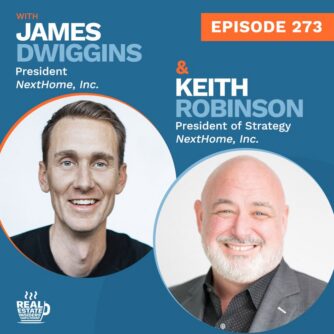
The latest Real Estate Insiders Unfiltered real estate podcast brought together James Dwiggins, Keith Robinson, Greg Robertson, and Rob Hahn for a heated discussion about the future of the real estate industry.
The conversation focused on the lawsuit involving CRMLS and Compass, along with broader questions about private listings, seller choice, cooperation, and the purpose of the MLS.
Why the Dispute Matters
Compass argues that mandatory listing submission can be anticompetitive, particularly when a real estate agent is fined for publicly marketing an office-exclusive listing. CRMLS maintains that cooperation and shared listing information remain central to the MLS model.
The discussion suggested that the dispute extends beyond one real estate broker, real estate brokerage, or MLS organization. The outcome could influence how agents market homes, recruit productive agents, and compete across the real estate market.
The issues involve:
- Agent recruiting and retention
- Lead generation
- Brokerage economics
- Consumer access to information
- Competition among real estate companies
- The future of real estate technology
The Consumer Remains Central
A major theme of the episode was the need to understand what consumers actually want. Buyers and sellers want transparency. They want to know what is real estate for sale, where to find accurate real estate listings, and how real estate prices are changing.
Consumers already expect detailed information from websites such as Zillow, eBay, Facebook Marketplace, CarGurus, and AutoTrader. That expectation naturally extends to real estate.
At the same time, the panel emphasized that an agent’s value is not limited to finding a property. A real estate agent helps clients interpret information, manage emotions, negotiate effectively, and navigate complicated transactions involving real estate financing, real estate taxes, and real estate laws. Listing data matters, but it is not the entire value proposition of professional representation.
What Could Change?
The episode outlined two possible directions for the MLS:
- Remain a brokerage cooperative focused on cooperation among brokers and agents.
- Become something closer to a public utility serving consumers directly.
A hybrid approach could also emerge, with separate systems for cooperation and listing distribution. However, structural changes could create challenges for independent brokerages and smaller firms. If major companies stop sharing information, agents could lose access to listings from other firms. That could make it more difficult to prepare complete market analyses, serve buyers, and compete effectively.
For consumers searching for “real estate agents near me” or “real estate companies near me,” this internal conflict may be invisible. Its impact, however, could affect the quality and availability of real estate information.
The Business Still Comes First
The episode’s central message for agents was straightforward: stay informed, but do not become trapped in the drama.
Professionals can follow real estate blogs, real estate podcasts, real estate books, real estate courses, and real estate events investing discussions. They can also continue learning about real estate investing, investing in real estate, and real estate investing for beginners. Regardless of changing real estate trends, the fundamentals remain important: build trust, communicate clearly, and help clients make confident decisions.
The debate involving Compass, CRMLS, NextHome, and the NextHome real estate franchise will continue. So will the larger conversation about real estate investment real estate brokerage, the real estate franchise model, and the future of the industry.
For agents, the practical choice remains clear: participate in the conversation, serve clients, and keep building a sustainable business.