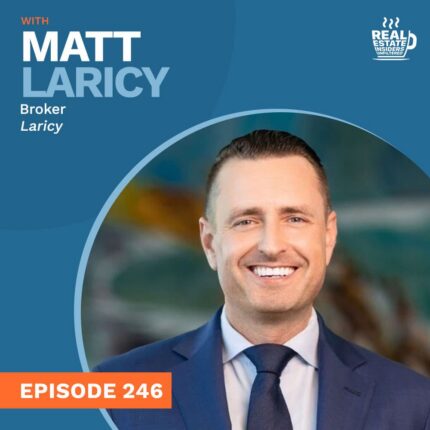
In the ever-evolving real estate industry, the conversation around private and pocket listings is heating up. Recently, on the Real Estate Insiders Unfiltered Podcast, James Dwiggins and Matt Laricy, a leading agent in Chicago, dove deep into this contentious topic. Their discussion highlighted the significant risks that private listings can pose for consumers and underscored the importance of transparency in the real estate market.
Understanding Private Listings
Private listings, often touted as a way to maintain exclusivity, can mask crucial information from potential buyers. Matt Laricy points out that this trend resembles a step backwards in an industry that should prioritize transparency. Historically, real estate transactions were characterized by keeping information close to the vest, often to maximize profits. Today, however, technology and platforms allow for widespread access to real estate listings, making it easier for consumers to find the perfect property.
The Downside of Private Listings
- Limited Exposure: When a property is listed privately, it is often only visible to a select group of agents within a brokerage. This limited visibility restricts the potential buyer pool, which can drive down the chances of achieving a competitive price.
- Hiding Information: Laricy highlights a critical point: when agents hide listings from the public, they also conceal important market data. This lack of transparency can lead to misinformation about a property’s true value or condition. If only a small circle of buyers is aware of a listing, they cannot make informed decisions.
- Consumer Confusion: Agents must remember that their clients often look to them for guidance. If a seller chooses to go with a private listing due to perceived advantages, it may confuse consumers who expect to have access to all available listings. This confusion can erode trust in the real estate process.
The Impact on Real Estate Prices
One of the most concerning aspects of private listings is how they can skew real estate prices. Laricy argues that the more people see a listing, the higher the chances of receiving multiple offers, potentially driving up the price.
Should Sellers Have the Choice?
A common argument is that sellers should have the right to choose how they market their property. While this is true, it’s essential to consider whether they are making an informed choice. Laricy suggests that many sellers might not fully understand the implications of opting for a private listing, especially if they are influenced by agents who prioritize their interests over the seller’s.
The Role of Technology in Real Estate
With advancements in real estate technology, there is a strong belief that the industry should push for more open systems that allow consumers to access information freely. Platforms like Zillow have revolutionized how buyers view real estate listings, creating a more competitive environment. This direction is essential for the industry, a place where everyone has equal access to information.
Emphasizing Education
For new agents looking to build their careers, understanding the implications of private versus public listings is crucial. It’s not just about making a sale; it’s about fostering trust and transparency. As Laricy emphasizes, new agents should immerse themselves in learning the business and understanding every facet of real estate transactions.
Conclusion
In summary, while private listings may seem attractive for some sellers, they often do more harm than good for consumers. The real estate market thrives on transparency, and agents have a responsibility to champion this principle. By keeping listings accessible and encouraging open communication, the industry can foster a healthier environment for everyone involved.