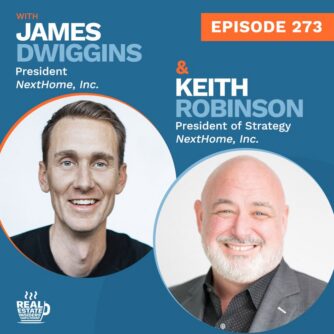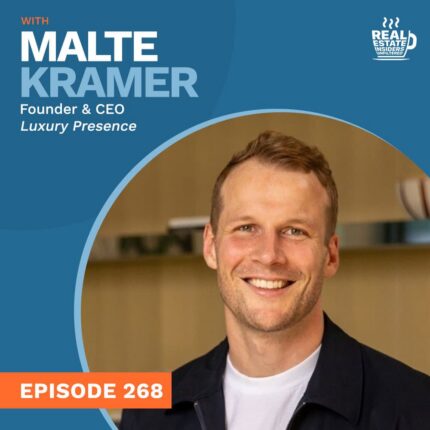
On the latest real estate podcast, James Dwiggins and Keith Robinson welcomed Malte Kramer, founder and CEO of Luxury Presence. The conversation offered practical ideas for anyone working in the real estate industry, especially a real estate agent building a profitable and sustainable business.
Luxury Presence now serves more than 20,000 customers and over 100,000 agents. The company has more than 700 employees and has reached $100 million in annual recurring revenue. Malte’s journey demonstrates that success in real estate rarely happens overnight. It requires consistency, focus, and resilience.
The Superpower of Repetition
Before becoming an entrepreneur, Malte came to the United States from Germany on a basketball scholarship. He once dreamed of playing professionally, but basketball taught him an important business lesson: excellence requires repetition.
Malte explained that his advantage was practicing the same skill repeatedly until it became a strength. That lesson applies directly to a real estate broker, real estate brokerage, or individual real estate agent.
Success often comes from repeating the fundamentals:
- Building relationships
- Following up with a database
- Improving communication
- Creating a clear personal brand
- Learning from market feedback
Whether an agent is researching real estate prices, reviewing real estate listings, studying real estate trends, or completing real estate courses, consistent effort creates improvement.
Fewer Tools, Better Systems
Malte shared that his wife, a real estate agent, often works with twelve browser tabs open. His point was simple: agents do not need more disconnected tools. They need fewer, better-connected systems.
Luxury Presence originally focused on building beautiful websites. Over time, the company expanded into products designed to help agents build brands, attract clients, nurture leads, and collaborate throughout the search process.
That evolution reflects a major challenge in real estate technology. Agents want technology that makes their work easier—not another complicated platform to manage. A strong real estate brokerage should simplify daily operations rather than add more administrative work.
AI Is Changing Real Estate Marketing
Malte views artificial intelligence as an enabling technology that can strengthen human advisors. AI can help agents automate background tasks while allowing them to spend more time on activities requiring judgment, expertise, and relationships.
Search is also changing. Instead of searching broadly for a “luxury real estate agent,” a consumer might ask an AI tool to recommend an agent who helps entertainment executives relocate from New York to Beverly Hills.
That creates a major opportunity for agents who clearly define a niche. A specific message can help an agent stand out among thousands of competitors. A personal brand should communicate who the agent serves and what makes that agent different.
Build a Brand Agents Can Own
Malte emphasized that consumers choose individual agents—not simply a brokerage logo. That makes a personal marketing presence increasingly important, whether an agent works for a real estate franchise, a local real estate company, or a large real estate brokerage.
The same principle applies to searches such as real estate agents near me and real estate companies near me. A clear online presence can communicate expertise before the first conversation.
The Practical Takeaway
Malte’s final advice was direct: create a system to nurture and engage a database, then use prospecting tools to identify signals and act on them every day.
That recommendation matters across real estate investing, investing in real estate, real estate investing for beginners, and real estate financing. Topics such as real estate taxes, real estate laws, and real estate for sale also require professionals to communicate clearly and consistently.
Agents can continue learning through real estate blogs, real estate books, real estate podcasts, and real estate events investing sessions. This episode of Real Estate Insiders Unfiltered reminds the industry that sustainable growth comes from focus, repetition, and technology built around the agent.